Non-Profit Art and Culture Organizations in Brampton: Preserving Heritage, Celebrating Diversity
 info@acesofcanada.org
Brampton is one of Canada’s most vibrant cultural hubs, a city where heritage and modernity coexist in harmony. Known for its diversity, Brampton is home to communities from across the globe who have carried with them stories, traditions, and art forms that enrich the city’s cultural fabric. At the heart of this vibrant ecosystem are non-profit art and culture organizations in Brampton, whose mission is not commercial gain but cultural preservation, education, and community engagement.
These organizations are more than event organizers; they are storytellers, educators, and bridge-builders who ensure that traditions are not lost but reimagined for new generations. They remind us that culture is not static but a living, breathing force that continues to evolve with time.
The Role of Non-Profit Art & Culture Organizations
Non-profits dedicated to art and culture act as guardians of identity. They organize cultural events, exhibitions, and performances that allow communities to connect with their roots. In Brampton, where over 70% of residents are visible minorities, these organizations create safe spaces where diversity is not just acknowledged but celebrated.
Unlike commercial entities, non-profits prioritize accessibility. Their goal is not to sell tickets for profit but to ensure inclusivity—whether it is through free festivals in public parks, community workshops, or collaborative art projects. These organizations often partner with schools, libraries, and local councils to bring meaningful cultural engagement to people of all ages.
Brampton: A City of Heritage and Cultural Mosaic
Brampton’s cultural identity is deeply tied to its immigrant communities, especially the South Asian diaspora. Indian, Punjabi, Gujarati, Tamil, and Bengali traditions thrive here alongside African, Caribbean, Filipino, and European cultural practices. This coexistence is what makes Brampton unique: a mosaic where every community adds its own shade of art, language, and music.
From small community halls to large cultural centers, Brampton is a stage for traditions to be preserved and reintroduced. Walking through the city during festival season, one can hear the beats of the dhol, smell the aroma of traditional foods, and witness the beauty of folk dances performed in public squares.
Indian Culture, Festivals, and Heritage in Brampton
Among the many cultures celebrated in Brampton, Indian culture holds a significant place. The Indian diaspora forms a large part of the city’s population, and with it comes an array of festivals and traditions that light up Brampton throughout the year.
Diwali: Known as the Festival of Lights, Diwali is celebrated with vibrant decorations, music, and community gatherings. Streets glow with lamps and firecrackers, symbolizing the triumph of light over darkness.
Holi: The festival of colors is an open invitation to joy, where people throw colors at each other and celebrate unity beyond boundaries.
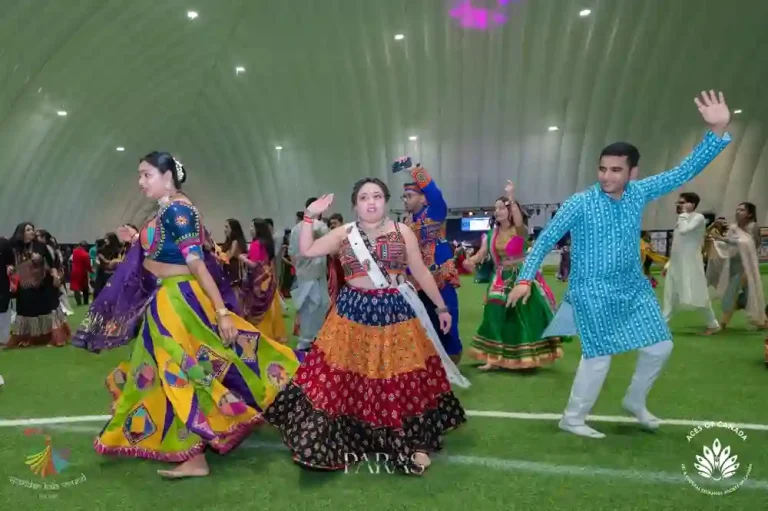
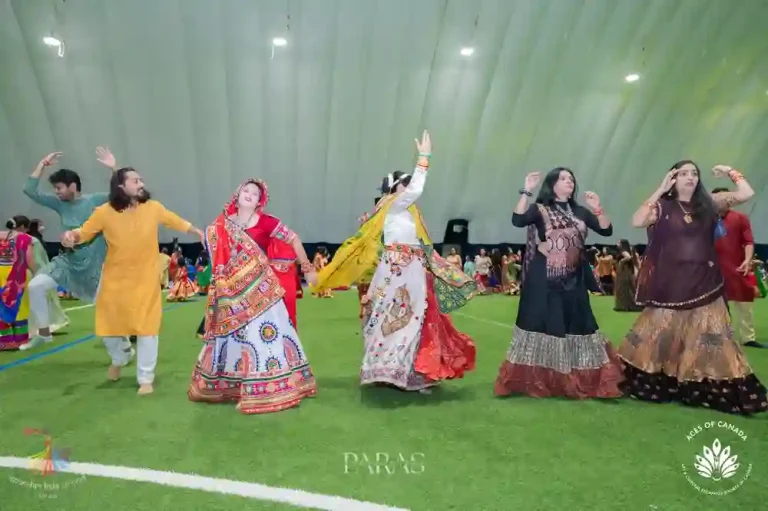
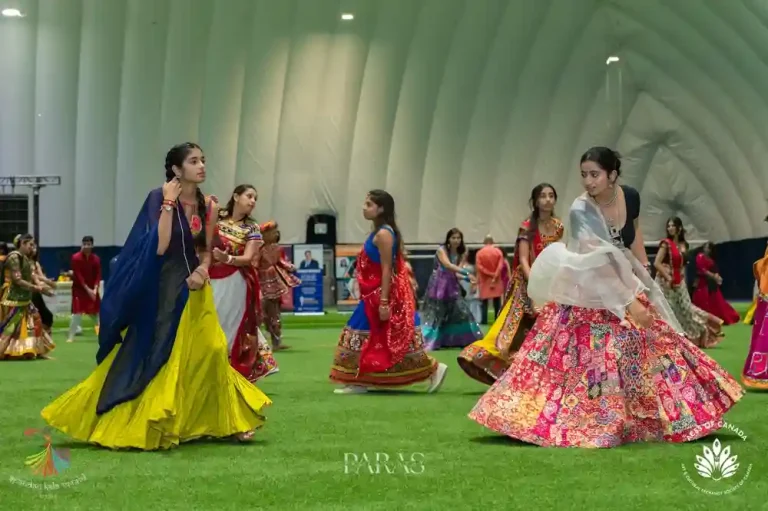
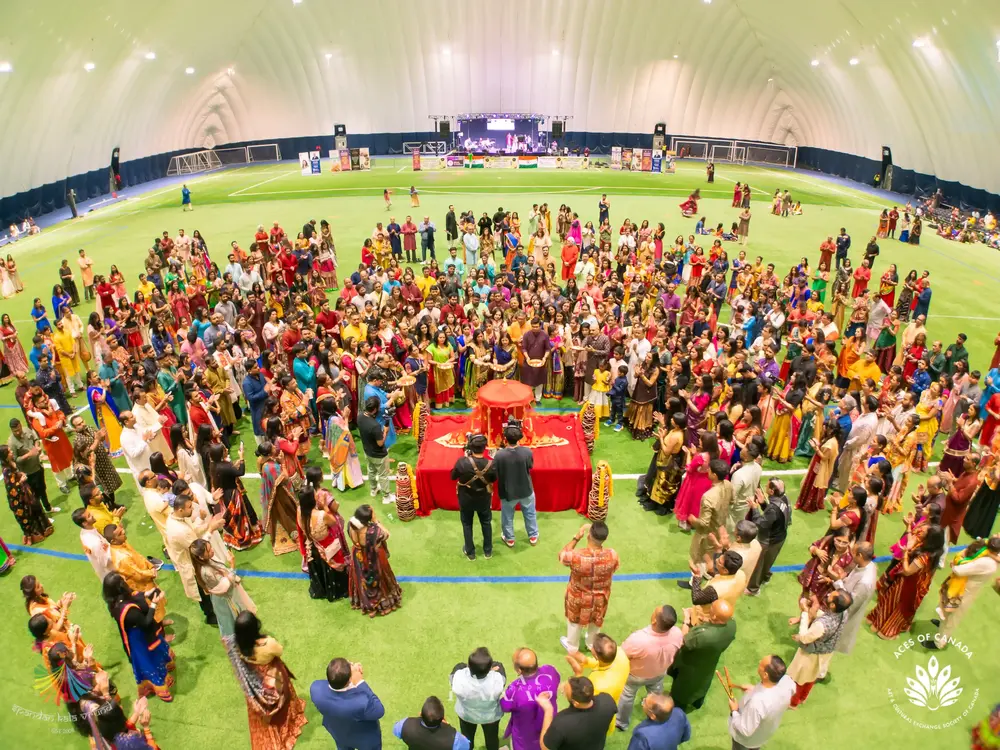
Navratri & Garba Nights: With traditional dances, music, and attire, Navratri celebrations transform Brampton into a vibrant cultural hub for nine nights.
Vaisakhi: A festival of harvest and gratitude, Vaisakhi is celebrated with kirtan, processions, and food sharing.
Each festival is not just about celebration—it is about cultural storytelling. These traditions pass on values of togetherness, resilience, and spirituality from one generation to another.
Why Festivals Are Important
Festivals go beyond the rituals; they serve as powerful social glue. In a multicultural city like Brampton, they bring together people from different ethnic backgrounds and encourage dialogue. A Diwali celebration, for example, is not only attended by Indians but also by Canadians of all cultures who wish to learn and participate.
For immigrant families, festivals provide a sense of belonging in a new land. They help children born in Canada connect with their parents’ heritage and allow elders to relive the traditions of their homeland. Festivals preserve identity while simultaneously promoting inclusivity.
How Non-Profit Organizations Drive Inclusion
The role of non-profit art and culture organizations in Brampton becomes even more critical in hosting these festivals. They provide the infrastructure—organizing venues, curating performances, and inviting artists—to ensure traditions are celebrated authentically yet inclusively.
Through storytelling, art workshops, and cultural exhibitions, these organizations educate newcomers about the rich history of their neighbors. They serve as bridges, reducing stereotypes and fostering empathy among communities. By making art and culture accessible, they ensure no one feels excluded, regardless of financial or cultural background.
ACES of Canada: A Cultural Bridge
One example of such impactful work is the Art & Cultural Exchange Society of Canada (ACES of Canada). As a not-for-profit, ACES goes beyond event management. It fosters dialogue, inspires creativity, and builds empathy through carefully curated programs. From immersive cultural festivals to engaging art exhibitions, ACES ensures that Brampton’s diversity is not just seen but felt.
By promoting cross-cultural collaboration, ACES empowers individuals to learn from one another and find common ground through art. Their events not only celebrate Indian heritage but also highlight the multicultural fabric of Brampton, making them a unifying force in the community.
Challenges and Opportunities for Cultural Non-Profits
While the role of non-profits is vital, they often face challenges like funding, limited resources, and reliance on volunteers. Yet these very challenges present opportunities. Increased community participation, stronger local partnerships, and greater awareness about the importance of cultural preservation can help these organizations grow.
The rise of digital platforms has also opened new doors. Virtual exhibitions, live-streamed festivals, and online storytelling sessions now allow organizations to reach global audiences while staying rooted in Brampton.
The Future of Cultural Preservation
As Brampton continues to grow, the importance of cultural preservation becomes even more significant. Non-profit art and culture organizations will remain at the forefront, ensuring traditions are not lost amid rapid modernization. By engaging youth and embracing technology, they can make culture accessible in innovative ways, keeping heritage alive for generations to come.
Conclusion
Non-profit art and culture organizations in Brampton are not merely organizers of events—they are custodians of heritage, storytellers of traditions, and bridges between communities. By celebrating festivals like Diwali, Vaisakhi, and Navratri, they help families stay connected to their roots while fostering inclusivity in Canada’s multicultural landscape.
Organizations such as ACES of Canada show us how art and culture can unite people across backgrounds, creating empathy and shared understanding. As Brampton evolves, these non-profits will continue to play a vital role in ensuring that culture is not just preserved but reimagined for future generations.